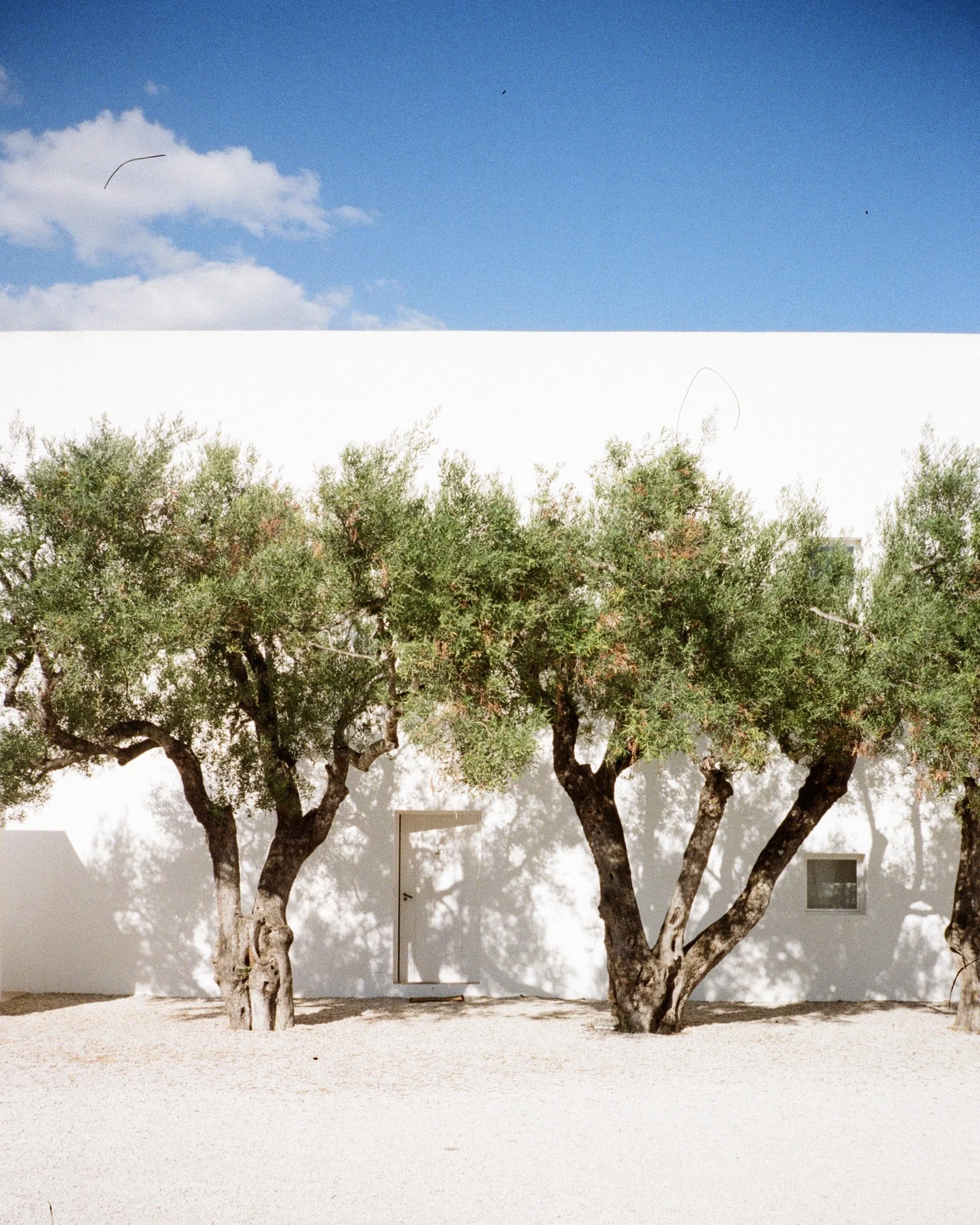

Between Olives and Sea
The drive takes you east, away from the familiar rhythms of the central Algarve.
You pass through towns where the architecture is functional rather than aspirational, where the light changes as you near the coast. When you turn onto a narrower route bordered by fig and carob trees, you know you've entered a different geography altogether.
A region shaped by something older and more patient than tourism: the tides.
The Ria Formosa lagoon sits between the mainland and the barrier islands, a constantly morphing ecosystem that separates the familiar from the remote. Above it, Cacela Velha appears on its hilltop: a fortress village where centuries have passed differently.
The Estate
Somewhere within this geography of tides and light, surrounded by olive and almond groves, sits Quinta do Muro.
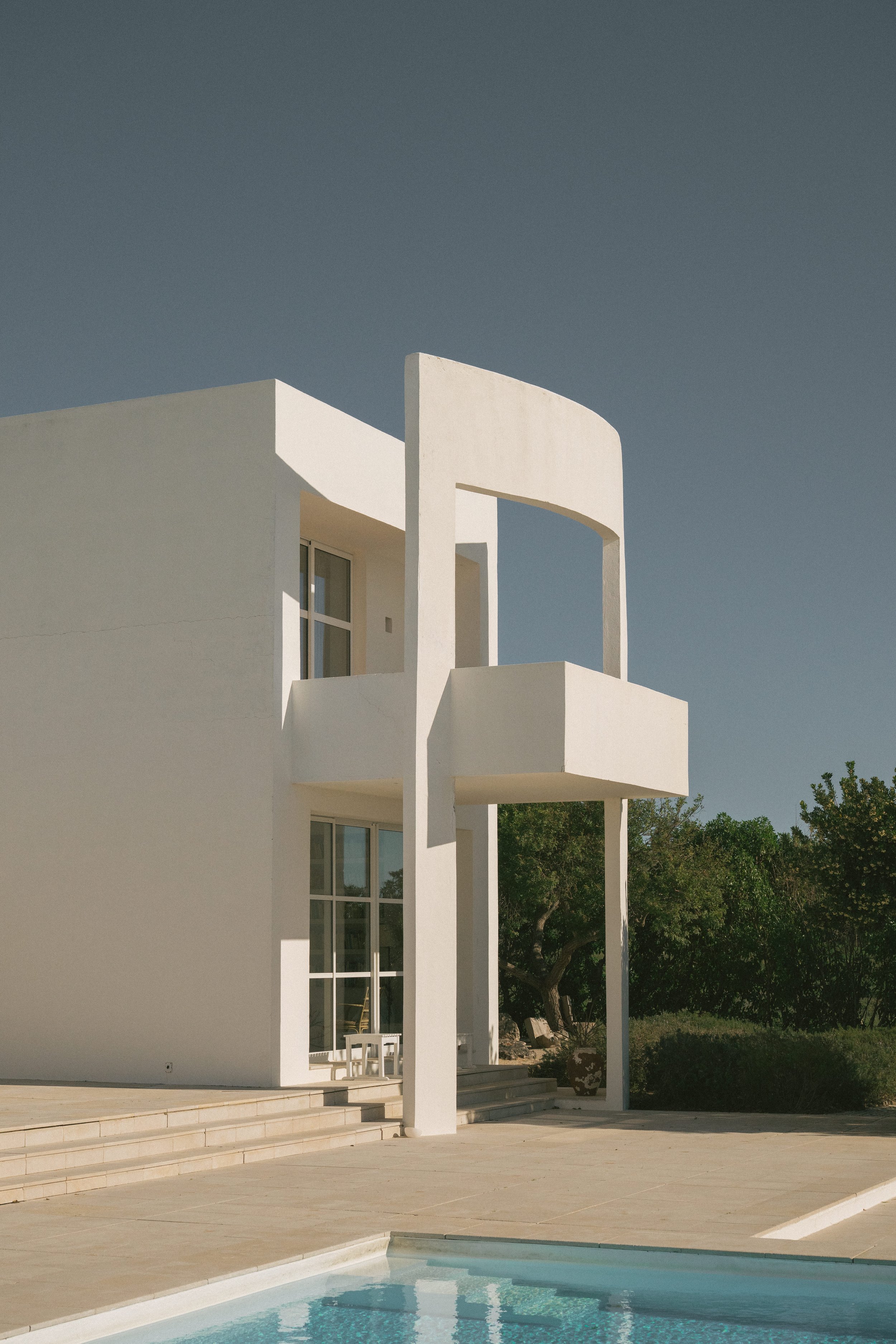
A sequence of whitewashed buildings arranged across thirteen hectares, shielded by the lagoon itself. The estate was conceived by French architect Pierre-Louis Faloci between 1983 and 1988. The work would later be recognised with the L’Équerre d’Argent, France’s highest architecture prize.
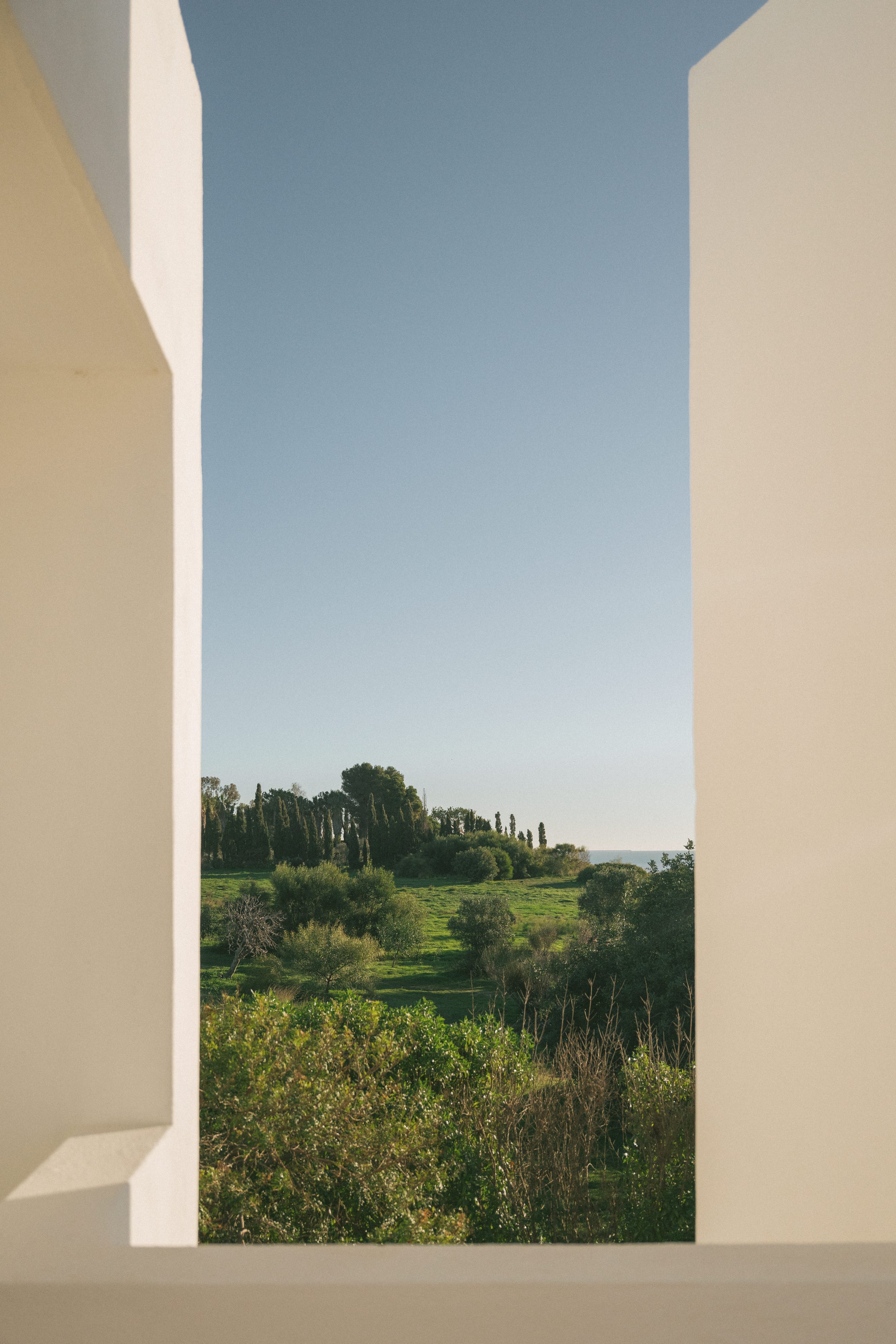
Architecture need not dominate landscape. It can instead arrange it, frame it, draw the eye toward views both near and distant.
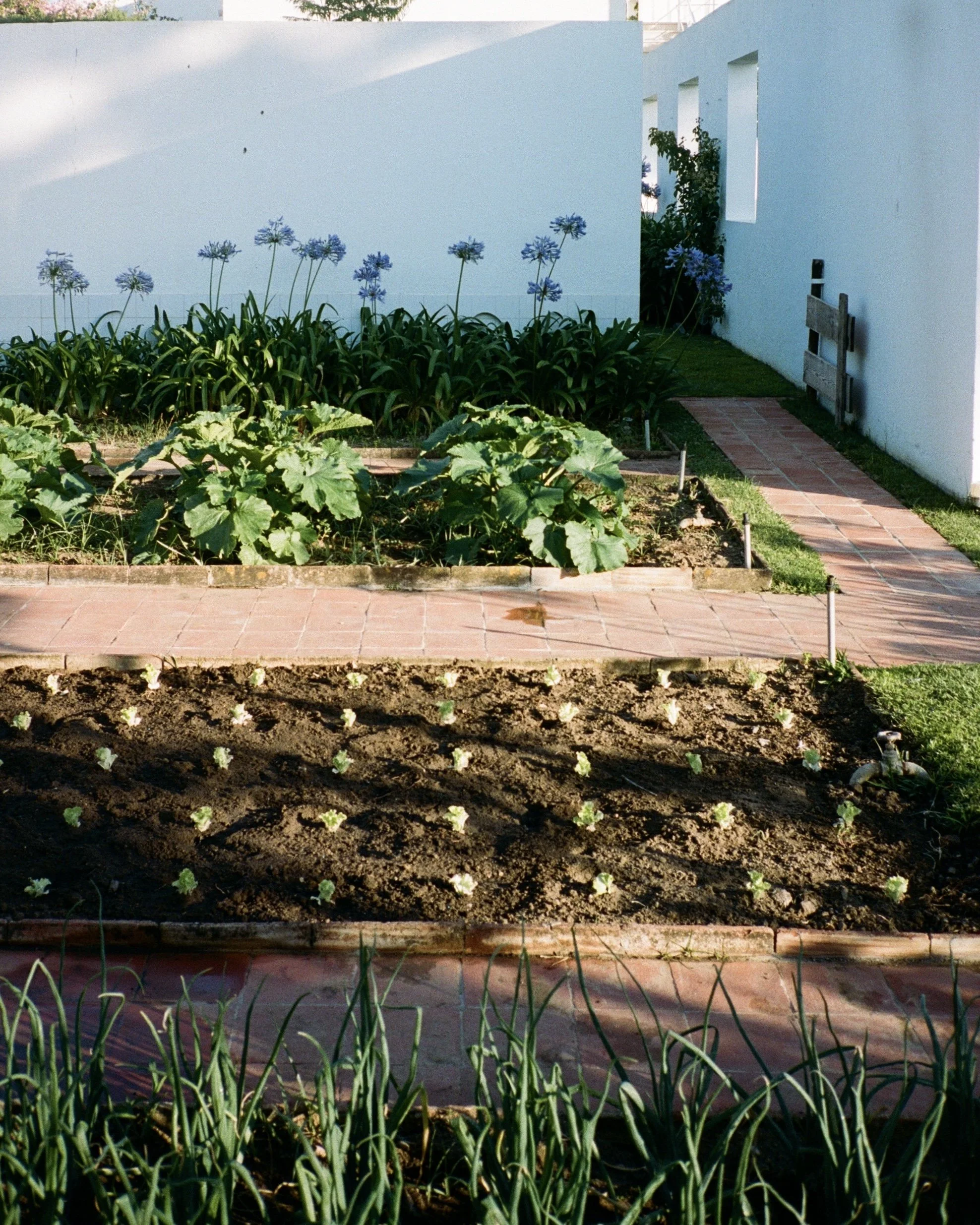
The main residence sprawls across 1,200 square metres, oriented southward toward the ocean, comprising three distinct structures connected by gardens. Lavender fields face the sea. An orchard and vegetable garden supply the kitchen. And threading through it all are groves of olives and almonds: trees that have occupied this land far longer than any building, and which likely will after.
The connection to the beach is entirely unconventional. At high tide, you reach the sand by boat or kayak. At low tide, the walk across exposed salt flats reveals a different landscape altogether. The beach feels like a discovery each time, because the lagoon ensures that it genuinely is.
When a group arrives, they arrive at a sanctuary.
Thirteen hectares entirely at your disposal. The estate functions as a single entity, with staff, gardens, pools, and full access to landscape and sea dedicated to those who have chosen to step away from elsewhere.
Chef Marie José has been present for over thirty years. The particular way that food tastes when it comes from soil you can see from your bedroom window is already woven into daily life. Sun-ripened tomatoes appear at lunch dressed simply. Fragrant herbs flavour grilled fish from communities along the shore.
A practice with an entirely different resonance when your mat is sand and the horizon opens in every direction.
Morning yoga on the meditation deck or directly on the beach. Afternoon sessions on the terraces where light filters differently as hours pass. The typical stay is five nights, long enough to genuinely detach. The absence of other guests creates conditions in which transformation, or simply genuine rest, becomes possible.
Quinta do Muro has existed in this landscape since 1983, long enough to have become part of it. Not the permanence of a landmark, but of something that has earned its position through consistency, through genuine attention: a place that will hold them gently, asking nothing except presence.
If you lead retreats or work with groups seeking rest and renewal, Quinta do Muro offers everything you need and asks very little in return.